One of infertility causes is fallopian tube obstruction. For natural conception to occur, at least one fallopian tube must be open to allow sperm to meet egg and enable embryo to travel to the uterine cavity.
Fallopian tube obstruction can develop as a result of various conditions, such as a history of pelvic inflammatory disease, severe endometriosis, or pelvic adhesions. Even if the lumen of the fallopian tube is blocked, it is difficult to visualise using a standard ultrasound scan.
Pregnancy may also be prevented by uterine abnormalities such as polyps, fibroids, or adhesions.
Hysterosalpingo Foam Sonography (HyFoSy)
 HyFoSy is a modern, minimally invasive method for assessing fallopian tube patency, performed directly in the doctor’s office. The test is carried out in our clinic by certified specialists in gynaecology and obstetrics.
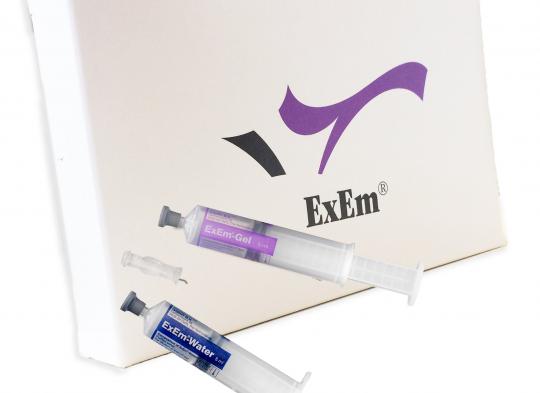
The procedure involves ultrasound-guided assessment of the fallopian tubes using a non-ionic contrast medium in the form of foam called ExEm Foam. This foam provides high-quality ultrasound imaging, allowing for precise diagnosis. It is safe and easy to use and helps to minimise discomfort during the examination.
An additional benefit of HyFoSy is that it allows for the evaluation of the uterus — its structure, shape, and any abnormalities such as adhesions, fibroids, or polyps.
This method is minimally uncomfortable for the patient and does not require strong painkillers or exposure to X-rays (as in the case of HSG – hysterosalpingography), nor does it require an operating theatre or general anaesthesia (as with laparoscopy).
Assessment of fallopian tube patency is recommended for women who have been unsuccessfully trying to conceive for at least one year.
How to Prepare for a HyFoSy Test
-
Fasting is not required before the procedure.
-
You should avoid sexual intercourse during the cycle in which the test is scheduled, or use a condom — up to 24 hours after the procedure.
-
Begin using the vaginal suppositories prescribed during your consultation three days before the test.
-
The patient should not show signs of infection (such as fever, cold, herpes) or genital tract infection.
-
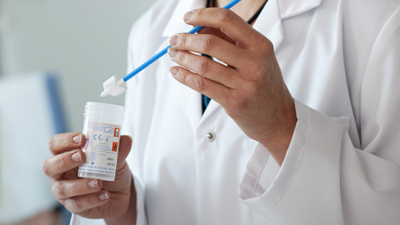
Please bring your latest cervical swab results and any previous uterine or fallopian tube test results.
Procedure Description – Fallopian Tube Patency Test
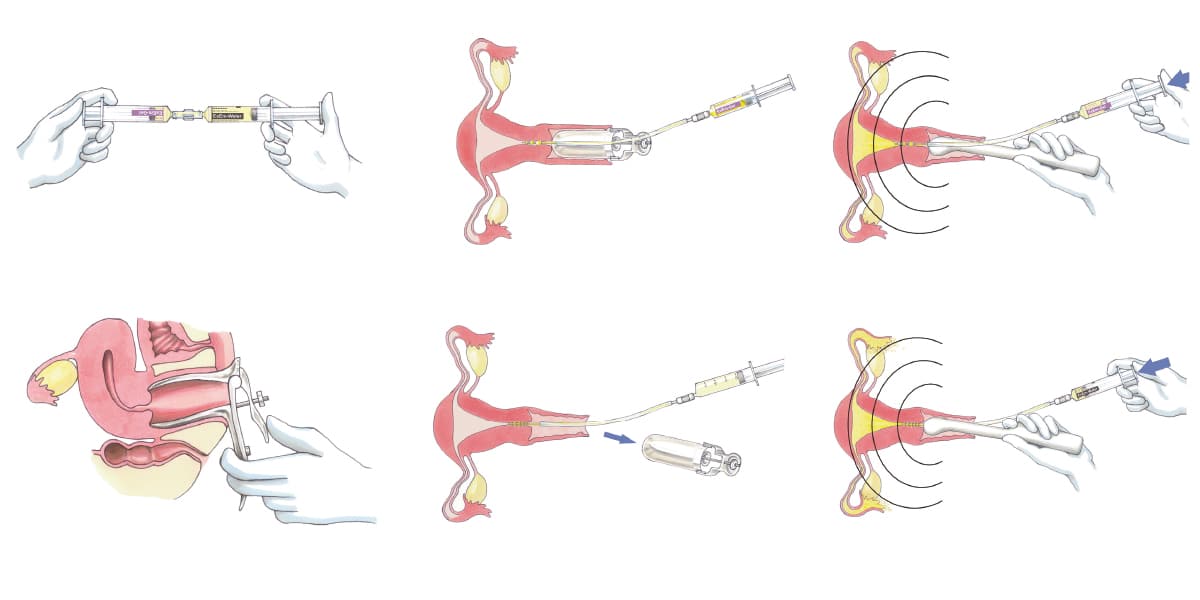
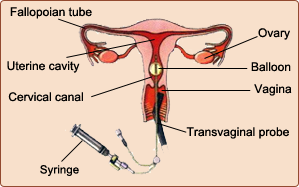
While seated in a gynaecological chair, after inserting a speculum, a special catheter is gently placed into the cervix and uterine cavity. Through this catheter, ExEm® Foam is introduced. The foam quickly expands the walls of the fallopian tubes, and its passage is visible on the ultrasound monitor through a transvaginal probe.
The procedure itself takes only a few minutes, with preparation lasting about 20–25 minutes. It is generally not painful, although some patients may experience uterine cramps, abdominal pain, discharge, or light spotting.
To minimise discomfort, it is recommended to take antispasmodic and pain-relief medication about two hours before the procedure.