Endometriosis is a condition that is still talked about far too little despite affecting millions of women around the globe. Its symptoms are often difficult to identify clearly, and the road to a proper diagnosis can take years. Many patients struggle for a long time with pain, lack of understanding and ineffective treatments.
For some Polish women living in the UK, the barrier is not only accessing a specialist but also the language and the difficulty of precisely describing their symptoms. This is why the possibility of consulting Polish gynaecologist in Harrow can be crucial for quick diagnosis and effective treatment.
In this article, we explain what endometriosis is, what its symptoms are and how it can be treated and why you should take care of your health regardless of where you live.
Endometriosis through the eyes of a Polish Gynaecologist in London
This condition affects up to 10% of women. It is most commonly diagnosed between the ages of 20 and 40, but it can also occur in very young women.
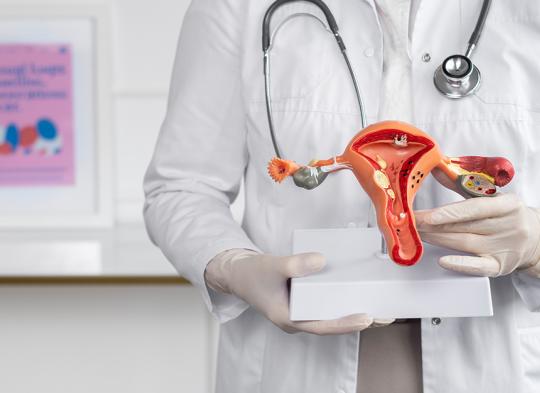
Endometriosis is a disease of the female reproductive system, characterised by the growth of the uterine lining (endometrium) outside the uterine cavity. The endometrial cells are located outside the uterus while still showing secretory activity. This means that during the menstrual cycle, endometrial cells located outside the uterus react to hormonal changes happening in the body.
This reaction causes chronic inflammation, something that would alarm your Polish gynaecologist in London. And rightly so, because as the disease progresses, symptoms become increasingly troublesome and are the second most common reason for hysterectomy, i.e. removal of the uterus.
What Are the Symptoms of Endometriosis?
Symptoms of endometriosis vary widely and often depend on the location of the endometrial lesions and the stage of the disease. The severity of symptoms does not always correlate with the extent of the lesions. Even small areas of endometriosis can cause severe pain.
Not every woman with endometriosis experiences all symptoms
The biggest problem is that the disease often causes no symptoms at all. It can therefore be diagnosed by accident during a routine gynaecological check-up. When symptoms do occur, the most common include:
- pelvic pain,
- very painful periods,
- painful intercourse,
- pain when urinating or passing stool,
- abdominal pain.
Additionally, symptoms related to the lower digestive tract may appear, such as diarrhoea, bloating, constipation or frequent urination. All of these symptoms can be extremely burdensome and may not only affect physical health but also have a severe impact on a woman’s mental wellbeing.
Other symptoms of endometriosis include:
Severe menstrual pain (dysmenorrhoea)
- One of the most characteristic symptoms.
- Pain may radiate to the lower back, groin or thighs.
- Often does not improve with over-the-counter painkillers.
Pain during intercourse (dyspareunia)
- Especially with deep penetration.
- Often linked to endometriosis in the pouch of Douglas, uterine ligaments or rectovaginal septum.
Pelvic pain unrelated to the menstrual cycle
- Chronic, dull lower abdominal pain that can affect daily functioning.
- Sometimes worsens during certain phases of the cycle or when urinating or passing stool.
Menstrual irregularities
- Heavy, irregular or prolonged bleeding.
- Spotting before or after a period.
Difficulty getting pregnant (infertility)
- Endometriosis is one of the leading causes of infertility in women.
- It disrupts ovarian, fallopian tube and ovulation function.
Pain during bowel movements or urination
- Particularly during menstruation.
- Suggests possible endometriosis lesions in the intestines or bladder.
Bloating, constipation, diarrhoea
- Gastrointestinal symptoms often mistaken for irritable bowel syndrome (IBS).
- Endometriosis can sometimes "mimic" other diseases.
Chronic fatigue, tat is caused by persistent pain, blood loss, hormonal imbalance and chronic inflammation.
Can Polish Gynaecologist in the UK diagnose the disease?
Unfortunately, endometriosis is difficult to diagnose. Symptoms are often nonspecific. Sometimes even diagnostic tests recommended by gynaecologists such as transvaginal or transrectal ultrasound do not provide a clear diagnosis.
However, if the symptoms described above appear, a visit to a gynaecology clinic is essential. Polish gynaecologist in the UK can assess the condition, position and size of the uterus and adnexa. Examination of the uterosacral ligaments and rectovaginal septum is also helpful.
During such an examination, Polish gynaecologist in London may only suspect endometriosis. In that case, the patient will be informed about the need for laparoscopy – an endoscopic procedure performed through the abdominal wall that allows a detailed assessment of the reproductive organs. It is important to note that in the UK, gynaecological laparoscopy can only be performed in hospital conditions under general anaesthesia.
How is endometriosis treated?
Endometriosis is not only difficult to diagnose but also difficult to cure. It often becomes a chronic condition, and its symptoms may persist for many years. Unfortunately, it also tends to recur. Does this mean nothing can be done? Fortunately, not. A competent Polish gynaecologist in London will be able to help.
One method of managing endometriosis is to stop menstruation. This option is most appropriate for women who are not planning pregnancy, as it requires long-term use of hormonal contraceptives. The aim is to reduce pain and prevent endometrial tissue from growing.
For patients who wish to conceive, surgical treatment may be recommended to remove endometrial lesions. In advanced cases, radical surgery involving removal of the uterus may be necessary. The most important factor in choosing the treatment pathway is the patient’s plans regarding motherhood.
Regular appointments with Polish Gynaecologist in the UK help
Prevention is better than cure. Every woman should remember the importance of regular check-ups with a Polish gynaecologist in London.
Routine examinations and preventive care by Polish gynaecologist in the UK help assess health and detect concerning symptoms before the disease becomes advanced.
Diet supporting endometriosis treatment
More and more studies indicate that proper nutrition can have a significant impact on the course of endometriosis and help relieve its symptoms. Polish gynaecologist in the UK will certainly highlight the importance of daily dietary choices in the prevention and management of the condition.
Foods to include in your diet:
- Brown rice – high in fibre and B vitamins.
- Oily fish (e.g. salmon, mackerel, sardines) – rich in anti-inflammatory omega-3s.
- Fresh fruits and vegetables – apples, carrots, lettuce and other antioxidant-rich produce.
- Walnuts and seeds – source of healthy fats and magnesium.
- Olive oil – anti-inflammatory and supports digestion.
- Whole-grain groats – such as buckwheat or barley, rich in fibre and minerals.
Foods to avoid
- Red meat – may increase inflammation.
- Alcohol – negatively affects hormonal balance and the liver.
- Highly processed foods – contain preservatives, additives and trans fats.
- Sugar and sweets – can exacerbate hormonal fluctuations and inflammation.
- Fizzy drinks – often high in sugar and artificial ingredients.
Diet alone will not replace medical or surgical treatment, but it can significantly support it. Proper nutrition boosts the immune system, reduces inflammation and improves overall wellbeing.
You should also consider supplementation and proper vitamin intake:
- Vitamin C – regulates stress levels and has anti-inflammatory effects.
- Vitamin A – involved in the production of reproductive cells and lowers the risk of endometriosis.
- Vitamin D – regulates immune system cells.
- Vitamin E – effectively reduces menstrual pain.
Endometriosis is a condition that can significantly affect woman’s everyday life, both physically and emotionally. Although its symptoms can be challenging, proper diagnosis and treatment can help regain control over your body and quality of life. Remember that you are not alone, and the support of a specialist is invaluable.
Do not ignore the signals your body sends. The sooner you act, the greater the chance of improving your quality of life and reducing symptoms.
Book an appointment with Polish Gynaecologist
If you live in the UK and are looking for understanding and professional care in Polish or English, book a consultation. Polish gynaecologist in London will not only carry out detailed diagnostics but also provide an individual treatment plan tailored to your needs.