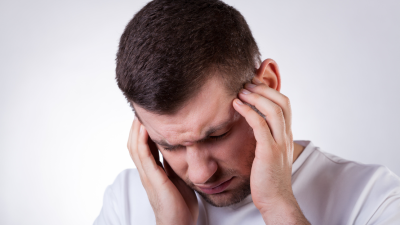

Chronic headache is a common complaint, but also a serious clinical problem that can significantly reduce quality of life. A headache is considered chronic when it happens over at least 15 days per month for three consecutive months. Chronic headache is the daily reality of many patients, presented as increasing fatigue, reduced professional and social activity, and emotional burden caused by constant tension and the unpredictability of subsequent episodes.
Long-lasting headaches often lead to secondary mood disorders, while the overuse of painkillers may additionally trigger medication induced headache, consolidating the chronic nature of the condition. Modern neurology emphasizes that chronic headache is not a single disorder, but rather a complex group of neurobiological disturbances requiring precise diagnosis and individually tailored therapy.
Current approach moves away from the simple model of symptom relief. Identifying the headache type, assessing triggering factors, and recognising coexisting disorders are crucial. Treatment involves both preventive pharmacotherapy and modern neuromodulation methods, and in selected cases also botulinum toxin therapy used in chronic migraine management.
To effectively combat chronic headaches, neurologist must first determine what type of condition they are dealing with. Medicine divides chronic headaches into two fundamentally different groups: primary headaches (where the pain itself is the disease) and secondary headaches (which are a warning sign of another underlying pathology).
Primary Chronic Headaches
In this group, the nervous system generates pain “on its own,” despite the absence of structural abnormalities, tumours, or aneurysms on imaging tests such as MRI or CT scans. The issue lies in abnormal biochemical signal transmission within the brain.
Chronic Migraine
This is much more than a severe headache. Chronic migraine is diagnosed when headaches occur on at least 15 days per month, with at least 8 days having typical migraine symptoms. Symptoms include throbbing pain (usually on one side of the head), nausea, vomiting, and extreme sensitivity to light, sound, and even smells. It results from persistent hyperreactivity of the trigeminal nerve.
Chronic Tension - Type Headache (CTTH)
The most common, yet also the most monotonous type of headache. Patients describe it as a dull, bilateral pressure resembling a tight helmet or band wrapped around the skull. Unlike migraine, it usually does not pulsate, does not cause nausea, and does not worsen during everyday activities such as walking or climbing stairs. It is very often associated with neck muscle stiffness.
New Daily Persistent Headache (NDPH)
An exceptionally insidious and rare type of headache. It appears suddenly, from one day to the next (patients often remember the exact date and time of the first attack) and becomes chronic from the very beginning. It persists for months or even years.
Secondary Chronic Headaches
In this case, headache is merely a “messenger” indicating a completely different health problem. Eliminating the underlying cause usually resolves the headache.
Medication-Overuse Headache (MOH)
This is a classic trap affecting many people suffering from chronic pain. Paradoxically, it develops as a result of taking painkillers too frequently (including common medications such as paracetamol or ibuprofen, as well as specialist migraine drugs like triptans). The nervous system becomes accustomed to repeated chemical stimulation over many days each month. When the medication stops working, the brain demands another dose, generating rebound pain.
Cervicogenic Headache (CGH)
This type originates directly from problems within the cervical spine, such as degenerative changes, disc disease, or previous injuries (e.g. after a car accident). The pain usually starts at the back of the head in the occipital region and radiates towards the eye or temple. It is often triggered by specific neck movements.
Other Secondary Causes
Chronic headache may also result from untreated vision problems, chronic sinusitis, as well as bite abnormalities and bruxism (night-time teeth grinding), which causes excessive strain on the jaw muscles and affects the entire skull.
What Causes Chronic Headaches?
Chronic headache does not develop suddenly. It is the result of gradual changes in the functioning of the nervous system, leading to persistent hypersensitivity to stimuli. This process is known as sensitisation, a lasting increase in the sensitivity of structures responsible for processing pain signals. Initially, this affects peripheral receptors, which begin reacting to low-intensity stimuli. Over time, changes also involve the central nervous system, lowering the pain threshold and causing allodynia - a condition in which neutral stimuli, such as touching the hair or light pressure from glasses, are perceived as painful.
Many factors contribute to the development and persistence of chronic headaches. The most important include chronic stress, sleep disturbances, excessive caffeine intake, and coexisting mood disorders. Stress and prolonged muscle tension intensify symptoms, while disrupted circadian rhythms promote morning headaches.
Excessive caffeine consumption leads to fluctuations in vascular tone, potentially causing withdrawal headaches. Anxiety and depressive disorders also play a significant role, as they affect the same neurotransmitter pathways involved in pain mechanisms.
Dental factors, particularly bruxism, should not be overlooked. Night-time teeth clenching and overloading of the temporomandibular joints lead to chronic tension in the facial and neck muscles, which may result in morning headaches that worsen throughout the day. This is one of the more common yet frequently overlooked causes of chronic tension-type headaches.
How Are Headaches Diagnosed?
Accurate diagnosis of chronic headaches resembles detective work. There is no single blood test or simple laboratory examination that can identify the exact cause. This process requires time, precision, and close cooperation between the patient and neurologist.
Medical History and Headache Diary
Even in the era of advanced medical technology, nothing can replace a detailed consultation. More than 80% of headache diagnoses are made on the basis of a carefully conducted medical history. To make the consultation as effective as possible, doctors often ask patients to keep a headache diary for several weeks before the appointment. This may be a traditional notebook, or a dedicated mobile app. Patients should precisely record:
- Days on which headaches occur and their exact duration.
- Pain intensity on a subjective scale from 1 to 10.
- Nature of the pain (throbbing, stabbing, pressing, tightening) and its location (one-sided, bilateral, back of the head).
- All painkillers taken (including names and doses), allowing doctors to quickly identify medication-overuse headache (MOH).
- Potential triggers (e.g. sleep deprivation, certain foods, menstrual cycle phase, sudden weather changes, stressful situations).
Imaging Tests (MRI and CT Scans) - When Are They Needed?
Many patients visit a neurologist believing that MRI or CT scans of the head will immediately explain their suffering. Reality is often different. In primary headaches such as migraine or chronic tension-type headache, these tests are usually completely normal.
The main purpose of MRI or CT imaging is not to locate “where it hurts,” but to exclude dangerous secondary causes. Imaging helps rule out aneurysms, vascular malformations, brain tumours, hydrocephalus, or neuroinfections. Doctor will usually order imaging when the headache changes its pattern, does not respond to standard treatment, or when abnormalities are found during a neurological examination.
SNOOP Criteria
There is a group of symptoms accompanying headaches that neurologists treat as absolute red flags. If chronic or sudden headache is accompanied by any of the following symptoms, urgent hospital assessment is required. Doctors use the international mnemonic SNOOP:
- S (Systemic symptoms) – Headache accompanied by high fever, neck stiffness, unexplained weight loss, night sweats, or occurring in patients with cancer or weakened immunity.
- N (Neurological symptoms) – Speech disturbances, weakness or numbness in limbs, facial drooping, double vision, sudden balance problems, or personality changes.
- O (Onset) – Sudden “thunderclap headache” reaching maximum intensity within seconds or minutes, potentially indicating aneurysm rupture and subarachnoid haemorrhage.
- O (Older age) – A new persistent headache appearing for the first time after the age of 50, requiring exclusion of conditions such as temporal arteritis.
- P (Pattern change / Progression) – A headache that steadily worsens, does not respond to medication, or dramatically changes its character. Pain worsening during coughing, sneezing, straining, or sudden standing may indicate changes in intracranial pressure.
Modern Treatment for Chronic Headaches
Modern treatment of chronic headaches is based on a completely different approach from the management of occasional episodes. Long-term use of acute pain medication leads to worsening symptoms and may result in medication-overuse headache. Therefore, contemporary neurology focuses on prevention aimed at reducing nervous system hyperreactivity and decreasing the number of headache days.
Pharmacological treatment includes both acute and preventive therapy. For headaches with migraine features, triptans are commonly used, and in recent years gepants (medications blocking the CGRP receptor) have also become available. These drugs interrupt migraine attacks without increasing the risk of medication-overuse headache. Preventive treatment involves daily use of medications that modulate nervous system excitability, including selected antidepressants, antiepileptic drugs, and beta-blockers. Their effects are assessed after several weeks, as the goal is long-term stabilisation of neuronal activity.
Two modern therapies play a particularly important role in chronic migraine treatment.
Botulinum toxin, administered according to the PREEMPT protocol, reduces the number of migraine attacks by blocking the release of pain neurotransmitters. The second group includes anti-CGRP monoclonal antibodies – the first medications developed specifically for chronic migraine. Administered once monthly, they neutralise proteins responsible for initiating migraine attacks and have a favourable safety profile.
Non-pharmacological therapies are an important complement to treatment. Physiotherapy focused on the cervical spine, fascial therapy, and temporomandibular joints is particularly helpful in tension-type and cervicogenic headaches. In cases of bruxism, manual therapy combined with individually fitted relaxation splints is often used. Cognitive behavioural therapy also plays a significant role by helping reduce anxiety associated with pain and limiting the impact of stress on the nervous system. Some patients also benefit from
neuromodulation (certified devices stimulating the trigeminal or vagus nerve) and biofeedback training supporting regulation of muscle tension and physiological responses.
Chronic Headaches - Summary
Chronic headaches do not have to mean permanent limitations in daily functioning. Modern medicine now offers a wide range of effective methods that can reduce the frequency of attacks and help patients regain control over their lives. However, proper diagnosis and avoidance of uncontrolled use of painkillers are essential, as overuse often leads to medication-overuse headache. Only individually tailored preventive treatment, both pharmacological and non-pharmacological, can effectively reduce nervous system hyperreactivity and interrupt the persistent pain cycle.
At the Polish Medical and Dental Clinic in London, patients have access to comprehensive neurological care provided by experienced Polish specialists. Treatment includes both modern therapies, such as greater occipital nerve block, and collaboration with specialists managing temporomandibular joint disorders and bruxism. This allows for a multidisciplinary approach addressing both neurological and musculoskeletal factors.