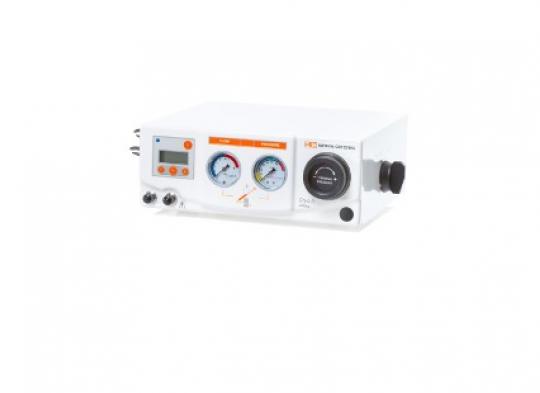
Freezing (cryotherapy) of cervical erosion is an almost painless procedure. Local anaesthesia is used for lesions on the vulva or around the anus. Cryotherapy involves applying very low temperatures to the abnormal tissue with a special applicator.
Frozen tissue is destroyed; over about 1–2 weeks the body removes the necrotic tissue while preserving healthy cells. After a superficial freezing there are no scars; after deep freezing (cryoconization) any scarring is flexible and does not impair reproductive function or problems with cervical dilation during childbirth. Cryotherapy also gives much better cosmetic results compared with a surgical or even an electric knife. The procedure does not produce the unpleasant burned smell associated with electrocoagulation (which also leaves scars). It lasts about 15 minutes.
There is no contraindication to performing cryotherapy with an intrauterine device in place.
One essential requirement before the procedure is a normal cervical cytology (Pap) result to exclude the risk that the lesion is precancerous. To allow adequate healing time after freezing, cryotherapy is performed in the first phase of the cycle, immediately after menstruation. Cryotherapy can also be performed during pregnancy only for vulvar and vaginal condylomata acuminata (genital warts). This is important for women planning a natural delivery, because condylomata are an absolute contraindication to vaginal birth. Freezing of cervical erosions is not performed during pregnancy.
Aftercare
For about 2 weeks after cryosurgery you may have abundant watery discharge; use sanitary pads and avoid tampons or vaginal suppositories. Freezing causes a local inflammatory reaction, so you may feel general discomfort for a few days. Sexual activity should be avoided for about 3 weeks, though recovery time is individual and some women need more or less time.
During recovery pay special attention to intimate hygiene. Avoid sunbeds, swimming pools and baths. Normal physical activity can usually be resumed almost immediately after the procedure. A follow‑up visit is recommended after 4 weeks.