
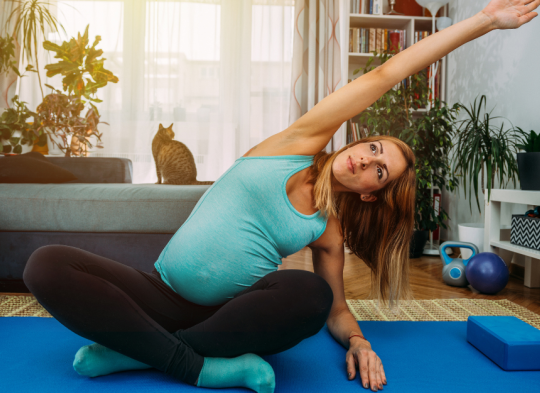
Lack of physical activity may lead to increased fatigue, back pain, low mood, and even more difficult labour. On the other hand, misconceptions and myths make many women give up exercise unnecessarily. Missing out on the chance to feel better and prepare their bodies for the effort ahead.
Women visiting Polish private medical and dental clinics in Coventry and London every day often have doubts about physical activity during pregnancy. Pregnancy and movement can absolutely go hand in hand. It is important to adjust the activity to your capabilities, health, stage of pregnancy, and to consult gynaecologist in London.
Well selected exercises help relieve discomfort, improve mood, and positively affect the wellbeing of the expecting mother. They can also make labour easier and speed up postpartum recovery.
In this article, we present safe forms of physical activity, debunk the most common myths, and explain what you should pay attention to in each trimester. It’s a practical guide for every woman who wants to take care of herself and her baby without unnecessary stress.
Can you exercise during pregnancy?
For many mums-to-be, pregnancy means being extra cautious, sometimes too cautious. One comment from a friend or a random post on the Internet can plant doubt: “What if physical activity harms the baby?”, “Shouldn’t I just rest?”
Meanwhile, most specialists consistently emphasise that if the pregnancy is progressing normally, moderate physical activity is not only safe but actually recommended. Movement helps improve circulation, maintain a healthy weight, reduce back pain and swelling, and positively affects mental health. Regular activity can also make labour easier and shorten recovery time. In a separate article, we explain how to take care of yourself during pregnancy.
Exercise during pregnancy – when should you be cautious?
Remember that every pregnancy is different, which is why it’s always worth consulting your doctor before starting or continuing exercise. In some cases, such as:
- risk of preterm birth
- placenta previa
- cervical insufficiency
- vaginal bleeding
- heart or lung disease
temporary or complete avoidance of physical exertion may be advised.
Is pregnancy a time for complete rest?
This is a myth that, unfortunately, is still very common. Of course, pregnancy isn’t the moment for intense strength training or marathon running. But it’s also not a reason to give up movement and your wellbeing. Properly chosen exercises, even a short walk, can do far better than a whole day spent napping.
Benefits of physical activity during pregnancy
When you’re pregnant, your body is working at full capacity every single day – a new life is growing, your metabolism changes, and new needs and emotions appear. It’s no surprise that many women feel tired and need more rest.
But remember that gentle, regular movement can be your best ally during this time.
It’s not about pushing your limits or breaking records. It’s about consciously supporting your body during this unique period. Physical activity during pregnancy can improve your wellbeing, ease pregnancy-related discomfort, and even make labour easier and the return to fitness faster. All of this happens step by step, with attention to your body’s needs.
What exactly does regular movement give an expecting mother?
Better physical and mental wellbeing
Exercise helps release endorphins, so-called “happiness hormones” that improve mood and help reduce anxiety and tension. Women who stay active during pregnancy often report fewer mood swings, sleep difficulties, or irritability.
Another way to improve wellbeing during pregnancy may be reflexology.
Physical activity reduces discomfort in pregnancy
Regular movement improves circulation, making it easier to cope with swelling during pregnancy. It also enhances functioning of the digestive system and strengthens the postural muscles. As a result, mums-to-be may experience less back pain, fewer swellings, improved digestion, and reduced constipation.
Better preparation for labour
Exercise has a positive effect on physical fitness, muscle strength, and overall endurance. This allows the body to cope better with the physical effort associated with childbirth. Labour itself may proceed more quickly and smoothly as a result.
Physical activity speeds up postpartum recovery
Women who stayed active during pregnancy often return to physical and mental wellbeing faster after giving birth. Their bodies cope better with recovery, and their postnatal mood tends to be more stable.
Benefits of exercising during pregnancy for the baby
Research shows that moderate physical activity during pregnancy can positively influence the baby’s development, for example by improving oxygenation and metabolism, and by reducing the risk of excessive birth weight.
Safe forms of exercise during pregnancy
Physical activity during pregnancy doesn’t have to (and shouldn’t) be intense. The most important thing is that it’s regular, safe, and suited to how the pregnant woman feels. It’s not about breaking records but about supporting the body through a natural and physiological process.
Below are the forms of activity most commonly recommended by doctors and physiotherapists:
Walking
Walking is one of the simplest and safest types of exercise for expecting mums. It requires no special equipment or preparation, just comfortable shoes and a bit of motivation. Gentle walking, preferably outdoors, helps oxygenate the body, improves circulation, and supports the natural functioning of the lymphatic system, which can reduce leg swelling.
Regular walks can also improve sleep quality and overall wellbeing both physically and mentally.
Walking is suitable at every stage of pregnancy as long as you feel well and there are no medical contraindications.
Swimming and water exercises
Water reduces the load on the joints, allows free movement, and provides a pleasant feeling of lightness. Regular swimming sessions can also help reduce back pain, improve posture, and support restful sleep.
Additionally, exercise classes in water are often held in groups for pregnant women, offering not only physical benefits but also an opportunity to share experience and build connections with other mums-to-be.
Prenatal yoga
This form of exercise combines stretching, strengthening, and relaxation. Yoga helps maintain proper posture, teaches conscious breathing, calms the mind, and prepares the body for childbirth. It is important to choose classes designed specifically for pregnant women.
Breathing and relaxation exercises
Simple but extremely valuable. Proper breathing helps control tension and stress, and it plays a key role during labour. Breathing exercises are worth including in your daily routine.
Training with a pelvic floor physiotherapist
Pregnancy is a unique time during which a woman’s body undergoes significant anatomical and hormonal changes. That’s why it’s so important for physical activity to be safe and tailored to individual needs. This is where a pelvic floor physiotherapist comes in – a specialist who knows how to support a pregnant woman’s body and prepare it for childbirth and the postpartum period.
This kind of training may include:
- pelvic floor exercises that help prevent urinary incontinence and pelvic organ prolapse after birth,
- scar mobilisation and breathwork,
- strengthening deep muscles without excessive strain,
- learning conscious muscle relaxation and activation, which is crucial during labour.
This is an excellent option for women who want to feel safe while exercising under professional supervision and who want to support their comfort and health both now and after giving birth. Well-planned physiotherapy can also relieve back pain, improve posture, and enhance overall wellbeing.
Sex during pregnancy as a form of physical activity
In a healthy pregnancy, sexual intercourse is safe and can serve as a gentle form of physical activity. Intimacy promotes relaxation, improves circulation, and engages the muscles. However, in cases of bleeding, risk of preterm labour, or other complications, doctor may recommend abstinence. The key is to listen to your body and adjust positions to the stage of pregnancy.
Which activities are not recommended during pregnancy?
Although physical activity during pregnancy brings many benefits, some forms of exercise may pose a risk to the mother and baby. Activities that may strain the body, cause injury, or create hazardous situations should be avoided. Here are some types of exercise to steer clear of unless approved by a doctor:
Contact and extreme sports
Any discipline associated with a high risk of falls or injuries such as football, basketball, skiing, or skateboarding should be completely avoided. This is essential for the safety of both the mother and the developing baby.
Intense strength training
Lifting heavy weights or performing high intensity exercises may place too much strain on the body during pregnancy, especially on the spine, joints, and circulatory system. Strength training can be included during pregnancy, but it must be carefully adapted to the body’s abilities and performed at a moderate pace.
Exercises with risk of overheating
High temperatures in saunas, hot fitness classes, or intense workouts in very warm conditions can lead to overheating, which is particularly dangerous during pregnancy. Elevated body temperature may affect the baby’s development, so it’s important to avoid activities performed in extreme heat.
Jumping, running, and other high-impact activities
Jumping, running on hard surfaces, and other dynamic movements that may cause uncontrolled jolting of the body can be risky during pregnancy. Excessive strain on the musculoskeletal system, especially in later trimesters, may lead to injury.
Exercises performed lying on your back in the 2nd and 3rd trimester
Lying on your back in the later stages of pregnancy may compress the inferior vena cava, which restricts blood flow and can cause dizziness and circulation problems. It’s best to avoid exercises in this position, especially after the 20th week of pregnancy.
How to exercise safely during pregnancy?
To ensure that physical activity during pregnancy is safe and beneficial, it’s worth following a few simple but important rules. Specialists emphasise that the key is to listen to your body and adapt the intensity of exercise to your abilities. Here are the most important recommendations:
Consult your doctor
Always consult your obstetrician before starting any physical activity during pregnancy. Every pregnancy is different, and some women may require special guidelines or restrictions regarding exercise. Discussing your plans will help ensure that neither you nor your baby is exposed to unnecessary risk.
Moderation is key
Pregnancy is not the time for breaking records or pushing through intense training sessions. The golden rule is moderation. Choose exercises that feel comfortable, and if you experience fatigue, pain, or discomfort stop immediately. It’s better to do shorter workouts regularly than to overstrain your body.
Listen to your body
Your body will undergo many changes during pregnancy. You may feel more tired, experience balance changes, back pain, or other discomforts. Listen to these signals and adjust your exercise routine to your current needs. If you experience any alarming symptoms such as dizziness, shortness of breath, chest pain, or bleeding, stop exercising right away and contact your doctor.
Remember to warm up and cool down
As with any physical activity, preparing your body for exercise and finishing it properly is essential during pregnancy. Warm-ups and cool-downs help prevent injuries and reduce the risk of overloading the body.
Regularity over intensity
You don’t need to exercise every day or for long hours. About 30 minutes of moderate activity 3–5 times a week is enough to enjoy the benefits of movement. This can be walking, yoga, swimming, or gentle strengthening exercises. Focus on regularity rather than long, exhausting workouts.
Physical activity during pregnancy is not only safe but also highly beneficial
Regular exercise can improve wellbeing, reduce pregnancy discomfort, prepare your body for labour, and speed up postpartum recovery. It’s also an effective way to manage swelling, which is one of the most common complaints in pregnancy.
The key is choosing the right forms of movement, maintaining moderation and consistency, and consulting your doctor before starting any physical activity.
Remember that every pregnancy is different, so it’s worth tailoring your activity plan to your individual needs and health condition.
Take care of yourself and your baby with the support of our practice!
If you have any questions about physical activity during pregnancy, do not hesitate to contact our team. Our specialists will provide reliable advice, help you choose safe forms of exercise, and offer support at every stage of your pregnancy.