
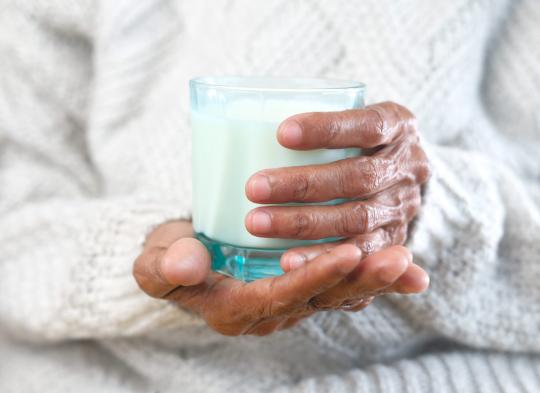
Today, however, seniors increasingly hear conflicting opinions. Some specialists emphasise its role in preventing osteoporosis and sarcopenia, while others suggest that adults do not need to drink milk at all, and that it may even be harmful.
In reality, the answer is not that straightforward. Whether milk is beneficial for someone over the age of 60 depends on lactose tolerance, gut health, coexisting medical conditions, and overall physical condition. In this article, we take a closer look at the scientific evidence that can help determine whether milk should remain part of the diet or whether fermented dairy products or plant-based drinks may be a better option.
Why is milk so controversial?
The debate surrounding milk combines biological, evolutionary, and dietary arguments along with modern nutritional trends. These are the most common concerns raised about milk:
The evolution
Humans are the only mammals that continue drinking milk after infancy. In many people, lactase production (the enzyme responsible for digesting lactose) decreases with age, which may lead to bloating, gas, and diarrhoea.
Casein and Inflammation
Some individuals struggle to tolerate cow’s milk protein, especially the A1 casein fraction. In sensitive seniors, this may increase intestinal discomfort.
IGF-1
Milk naturally contains the growth factor IGF-1. Its influence on adult health has generated much speculation, but current research does not clearly confirm that it increases cancer risk.
The “acidifying the body” myth
Theory that milk “leaches calcium from bones” has been disproven. Body regulates blood pH regardless of diet, and milk provides more calcium than it supposedly “removes.”
Nutritional value of milk from a senior’s perspective
Despite various controversies, milk remains an exceptionally nutrient-rich product. It is particularly important for older adults, who often eat less, have a reduced appetite, or absorb nutrients less efficiently. In a senior’s diet, dairy products serve two key functions: supporting bone health and helping maintain muscle mass.
Bone protection – Calcium and Vitamin D
With age, bones lose density, increasing the risk of osteoporosis and fractures. Milk is one of the most easily absorbed sources of calcium thanks to lactose and its calcium-to-phosphorus ratio. In many countries, milk is additionally enriched with vitamin D, which improves calcium absorption and supports bone mineralisation. For seniors, this combination plays a significant role in fracture prevention, especially hip fractures.
Muscle support - Protein and Leucine
Gradual loss of muscle mass and strength (sarcopenia) is one of the most serious health issues after the age of 60. Milk provides high-quality protein rich in essential amino acids.
The most important of these is leucine - an amino acid that acts as a “switch” for muscle protein synthesis. This is why a glass of milk after a walk, exercise session, or physiotherapy can genuinely support recovery and slow muscle loss.
Cognitive function and hydration
Milk provides B vitamins, particularly B12 and B2, which support the nervous system and may help maintain cognitive performance.
Additionally, thanks to its electrolyte content (potassium, sodium, magnesium), milk hydrates more effectively than water alone. This is especially important for seniors, who often experience a reduced sense of thirst compared to younger people.
Lactose intolerance - a problem that increases with age
Although milk is a valuable source of nutrients, its consumption among seniors often causes hypolactasia. This is an age-related decline in lactase activity - the enzyme produced in the brush border of the small intestine that breaks down milk sugar (lactose) into glucose and galactose.
In many people over the age of 60, the activity of this enzyme becomes so low that undigested lactose passes directly into the large intestine. There, it becomes food for fermenting bacteria, leading to the production of gas and organic acids. In seniors, this may cause a range of digestive symptoms, including:
- persistent bloating and winds,
- abdominal pain and rumbling sensations,
- osmotic diarrhoea, which in older adults can quickly lead to dangerous dehydration.
It is important to note, however, that lactose intolerance is rarely complete. Most seniors tolerate small amounts of milk (around 100–150 ml) when consumed with meals. Lactose-free products, in which the milk sugar has already been enzymatically broken-down during production, are also widely available.
Are fermented dairy products a better alternative to milk?
For seniors who do not tolerate fresh milk well, fermented dairy products such as natural yoghurt, kefir, buttermilk, or sour milk can be an ideal solution. From the perspective of geriatric nutrition, they are often even more valuable than milk itself.
Natural lactose reduction
Lactic acid bacteria (e.g. Lactobacillus, Bifidobacterium) use lactose as an energy source, effectively “digesting” it for us. As a result, these products are much better tolerated by the sensitive digestive system of older adults.
Support for gut microbiota
These products are natural probiotics. Regular consumption of kefir or yoghurt helps rebuild intestinal bacterial flora, which is often weakened in older people due to medications such as antibiotics or blood pressure drugs. Healthy intestines contribute to stronger immunity and lower levels of inflammation in the body.
Better calcium absorption
The acidic environment of fermented products improves the solubility of calcium salts, making calcium easier to absorb in the digestive tract.
Easier protein digestion
The fermentation process causes partial proteolysis (breakdown) of milk proteins, making them lighter on the stomach and more quickly absorbed by muscles.
When should seniors limit milk consumption?
Despite its many benefits, there are clinical situations in which milk consumption (especially full-fat milk) should be discussed with a doctor. The main contraindications or limitations include:
Drug interactions
Calcium in milk can form insoluble complexes with certain medications, such as tetracycline antibiotics or drugs used to treat hypothyroidism (levothyroxine). A minimum interval of two hours should always be maintained between dairy consumption and medication intake.
Cardiovascular problems
Seniors with high cholesterol levels and advanced atherosclerosis should choose low-fat dairy products (1.5–2% fat), while avoiding heavy cream and hard cheeses, which are rich in saturated fatty acids.
Calcium kidney stones
In some types of kidney stones, doctors may recommend strict control of calcium intake, although paradoxically, a diet too low in calcium may increase oxalate excretion.
Effective nutritional guidance for seniors
The decision to include or exclude milk from a senior’s diet should not be based on trends, but on a reliable assessment of overall health. At our private medical clinic in London, we help seniors create meal plans tailored to the specific needs of mature individuals. We also provide diagnostics for food intolerances and help patients choose safe milk alternatives that provide essential calcium without causing digestive discomfort.