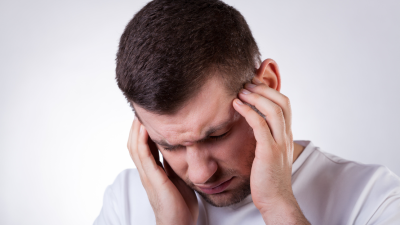
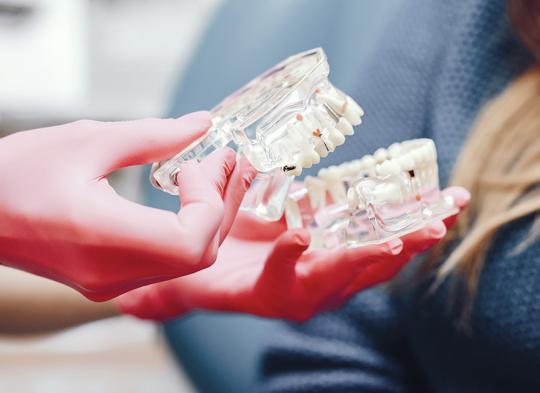
Some people learn about the problem from their dentist, while others notice pain in the muscles responsible for chewing, clicking sounds in the jaw joints or worn-down teeth.
Bruxism is a disorder of the stomatognathic system, involving involuntary grinding or excessive teeth clenching. Very often it causes damage to the tooth structures, strain of the masticatory muscles, and changes in the temporomandibular joints’ (TMJs) function.
Bruxism is not just uncontrolled teeth grinding at night. It can also occur during the day, with clenching your jaw whilst working or concentrating, under stress, and with repetitive activities like driving. Over time, it can lead to cracked enamel, damage to tooth fillings, tension headaches, or temporomandibular joints dysfunction.
If you notice symptoms such as jaw tension, morning headaches, worn-down teeth, or clicking in the jaw joints – contact us at our medical clinic in London. We provide diagnosis and treatment of bruxism in adults, addressing both dental aspects and complementary therapies.
This article explains further what bruxism is, the causes, and what can be done to prevent its worsening.
What Is Bruxism?
Bruxism is a condition known as involuntary, habitual clenching or grinding of the teeth. It can occur both during the day (awake bruxism) and at night (sleep bruxism), usually irrespective of the normal functions of chewing and swallowing.
It is classified as a parafunctional activity of the stomatognathic system – meaning an activity that serves no biological purpose and may strain the chewing muscles, TMJs and the teeth.
In sleep bruxism, muscle activity typically occurs during light sleep phases. The patient is usually unaware of it – the problem is often reported by a partner or discovered during a dental check-up. Awake bruxism, on the other hand, is closely linked to emotional tension and stress, and is characterised by frequent jaw clenching without grinding.
Although bruxism is not considered a dental disease, it can lead to serious consequences: mechanical tooth damage, hypersensitivity, cracked fillings, TMJ strain, and chronic muscle pain. Therefore, diagnosis and proper management are essential.
Common Symptoms of Bruxism
Bruxism symptoms depend on its duration and severity. In many patients, they develop gradually and initially go unnoticed. Most often they affect mouth, chewing muscles, and TMJs, but can also cause systemic issues.
The most common symptoms include:
- Tooth and enamel wear – visible flattening of chewing surfaces, often in the front teeth.
- Increased tooth sensitivity – especially to cold, heat, or pressure.
- Pain and tension in the chewing muscles – most noticeable in the morning or after stress.
- Clicking or popping sounds in the TMJs – sometimes accompanied by pain or limited jaw movement.
- Headaches, neck or temple pain – especially after waking up.
- Cracked fillings or damaged crowns – caused by excessive chewing.
- Daytime teeth clenching – usually during driving, concentrating, computer work or because of stress.
Because many of these symptoms are nonspecific, bruxism is often diagnosed incidentally – during a dental examination or physiotherapy consultation. Early detection helps prevent further deterioration and permanent damage to the teeth and jaw structures.
Dental And Prosthetic Treatment of Teeth Grinding
Dental treatment of bruxism focuses mainly on protecting teeth from further wear and strain and on improving occlusion. It does not directly eliminate the underlying cause (such as stress or parafunctional habits) but reduces mechanical effects and stabilises the chewing.
The most commonly used method is a relaxation splint (night guard) – a custom-made mouthguard worn at night, which:
- reduces muscle tension,
- protects teeth from further wear,
- relieves the TMJs.
Night guard does not interfere with breathing or tongue movement. Proper fitting is crucial. Over-the-counter mouthguards do not provide adequate protection and may worsen the symptoms.
If bruxism has already caused permanent tooth damage, prosthetic reconstruction may be required. This can include replacing damaged crowns, strengthening teeth with onlays or crowns, or adjusting the bite to ensure even chewing.
In severe cases, prosthetic treatment is necessary not only for aesthetics but also for restoring proper bite and chewing function.
Treatment plan should always be based on a bite assessment, periodontal condition, and muscle tension. Dental treatment is often offered as the first-choice treatment, followed by further supportive therapies such as physiotherapy or stress management.
Therapeutic Treatment and Physiotherapy
Treatment of bruxism goes beyond protecting the teeth. Many patients need additional support, especially when experiencing muscle and joint pain, headaches, limited jaw movement, or neck tension.
Dental physiotherapy plays a very important role and its goals are to:
- relax strained chewing muscles,
- improve jaw and TMJ mobility,
- teach control over habitual clenching.
Therapy may include trigger point massage, manual therapy, stretching and relaxation exercises, and jaw movement training. Education is also key – patients learn to recognise moments of clenching during the day and gradually develop healthier movement patterns.
Behavioural therapy techniques can also be beneficial, particularly for those whose bruxism is linked to chronic stress or strong emotions. Working with a psychologist or therapist can help identify triggers and reduce tension.
Physiotherapy and therapeutic methods do not replace dental treatment but support it, increasing the chances of long-term symptom relief. In chronic, complex cases, interdisciplinary management is often crucial.
Pharmacotherapy and Other Supportive Methods
Medications can support bruxism management. They don’t treat the cause but may alleviate symptoms, especially during flare-ups of pain, muscle tension, or sleep problems.
Commonly used options include:
- Muscle relaxants – usually taken in the evening for excessive muscle tension,
- Painkillers and anti-inflammatory drugs – for short-term symptom relief,
- Sedatives or sleeping aids – in confirmed cases of sleep-related bruxism,
- Anxiolytics or antidepressants – when grinding is linked to stress or emotional tension (always under psychiatric supervision).
In some cases, injections of botulinum toxin (Botox) into the chewing muscles are considered. They reduce muscle contraction and pain, with effects lasting 3–6 months. This method is mainly used for chronic, treatment-resistant muscle bruxism.
Complementary therapies include:
- relaxation techniques (e.g., breathing exercises, autogenic training),
- biofeedback training to control parafunctions,
- limiting stimulants intake (caffeine, alcohol, nicotine),
- improving sleep hygiene, especially for sleep bruxism.
Each element should be individually tailored depending on the patient’s symptoms, clinical picture, and overall health. Medication should never replace dental treatment or physiotherapy but can enhance their effectiveness within a comprehensive plan.
Everyday Habits That Help Manage Bruxism
Successful bruxism treatment depends largely on how the patient manages outside the clinic. Even the best-fitted splint or effective physiotherapy won’t give lasting results unless the habits that maintain muscle tension change.
The first step is awareness. Many people clench their teeth involuntary while working, driving, talking on the phone, or scrolling on their phones. During the day, teeth should not touch; there should be a small gap between the upper and lower teeth. It’s helpful to check several times a day if the jaw is relaxed and the lips are slightly parted.
Reducing stimulants like caffeine, nicotine, and alcohol, especially in the afternoon and evening, is also important. These substances stimulate nervous system and increase muscle tension, especially at night.
Good sleep hygiene directly impacts sleep bruxism. Going to bed at the same time, avoiding screens before sleep, and keeping the bedroom dark and quiet can improve sleep quality and reduce involuntary muscle activity.
Regular physical activity and relaxation techniques such as neck stretches, breathing exercises, walks, or mindfulness practice can also help release tension.
The more patients understand their own habits, the easier it becomes to control them. Managing bruxism is not only a technical process but also a gradual change in daily behaviour – small but consistent steps toward relaxation and awareness.
Summary
Bruxism often develops unnoticed. Teeth clenching, jaw tension, morning headaches, and enamel wear are the warning signs that shouldn’t be ignored. Early treatment – dental, physiotherapeutic, or supportive – can prevent further damage and restore comfort in daily life.
If you experience symptoms of bruxism or need a bite assessment, please book an appointment at our clinic. Our specialists in dentistry and occlusal disorders provide thorough diagnostics and tailored treatment plans. Consultations are available in English and Polish, ensuring full understanding and comfortable communication throughout the entire treatment process.