
According to the modern medicine, orthodontics is primarily about restoring proper functioning of the entire stomatognathic system. Misaligned teeth and skeletal abnormalities of the upper and lower jaw are not just cosmetic issues, they influence overall health and may lead to pathological enamel wear, periodontal disease, and even chronic headaches caused by temporomandibular joint dysfunction.
At our medical clinic in London, we focus on a holistic approach to patient care. Starting treatment at the right time not only helps shorten the duration of therapy, but above all allows us to take advantage of the body’s natural growth potential (in children) or effectively stabilise bite conditions before prosthetic or implant treatment (in adults).
In this article, we explain when specialist intervention becomes necessary and why an orthodontic consultation is important at every stage of life, not only in early childhood.
Why the first orthodontic assessment should take place around the age of 7
The first orthodontic consultation at around seven years of age is the standard recommended by international orthodontic associations. At this stage, the first permanent molars erupt, and the mixed dentition period begins. This phase of development allows the orthodontist to assess bite relationships, jaw growth direction, and potential abnormalities before they become permanently established in the bone structure.
An early consultation makes it possible to introduce interceptive orthodontics, aimed not only at correcting tooth alignment but also at influencing jaw growth. At this age, the bone is highly adaptable, allowing the orthodontist to:
- widen an overly narrow upper jaw, creating space for permanent teeth and reducing the risk of crowding,
- detect early growth asymmetries and correct them before they become visible in the facial structure,
- stop the progression of malocclusions such as crossbite or overbite,
- reduce the risk of trauma to protruding front teeth.
Early diagnosis often helps avoid future surgical procedures or the extraction of permanent teeth due to lack of space in the dental arch.
Signs of malocclusion in children - symptoms that should not be ignored
Malocclusions in children do not always manifest through the position of the teeth. In many cases, the first abnormalities involve function - the way a child breathes, swallows, or speaks. These subtle changes are often first noticed by parents. Early observation is extremely important because the development of dental arches and facial bones is closely linked to the child’s everyday habits.
Symptoms that should prompt an orthodontic consultation include:
Mouth breathing - a child frequently keeps their mouth open, including during sleep. This breathing pattern may contribute to narrowing of the upper jaw, the development of an open bite, and may also be associated with snoring or episodes of sleep apnoea.
Incorrect tongue posture - a tongue resting too low or pushing against the teeth during swallowing affects the development of the dental arches and may eventually lead to protrusion of the front teeth.
Speech defects - lisp and other articulation difficulties are often related to the structure of the bite. Improper tooth alignment can interfere with the normal function of the tongue and lips.
Facial asymmetry - a shifted chin, uneven lip alignment, or visible differences in facial width may indicate jaw growth disturbances.
Parafunctional habits - thumb sucking, prolonged dummy use, nail biting, or chewing objects exert constant pressure on the teeth and bones, leading to deformation.
Premature loss of baby teeth - if a baby tooth falls out too early, neighbouring teeth may shift into the empty space, blocking the eruption path of the permanent tooth.
Early diagnosis, which is also available at our London practice, allows the use of removable appliances or functional appliances that support proper facial bone development and often prevent the need for future fixed braces. Responding quickly to harmful habits and early signs of malocclusion gives the child the best chance for harmonious development of the chewing system.
Orthodontic treatment for adults - health and function at every age
There is no upper age limit in orthodontics. More and more adults choose orthodontic treatment not only for aesthetic reasons but, above all, for health benefits. Proper tooth alignment makes daily oral hygiene easier, reduces the risk of tooth decay and periodontal disease, and improves the function of the entire chewing system. For many patients, orthodontic treatment becomes an important element of comprehensive dental care.
The most common medical indications include:
- Correction of crowding - crowded teeth make cleaning between teeth difficult, increasing the risk of inflammation and decay.
- Preparation for implants and prosthetic treatment - orthodontic treatment helps recreate proper space for missing teeth and ensures stable conditions for prosthetic restorations.
- Protection of teeth and temporomandibular joints - an improper bite may lead to excessive tooth wear, muscle strain, and pain in the jaw joints.
An increasing number of patients in their thirties and forties decide to wear braces because treatment in adulthood can significantly improve quality of life: making eating easier, reducing muscle tension, and stabilising the effects of other dental procedures.
Modern methods of bite correction – from fixed braces to aligners
Modern orthodontics offers a wide range of solutions that allow precise tooth movement planning while maintaining high levels of comfort and aesthetics. The choice of treatment depends on the type and severity of the malocclusion as well as the patient’s individual preferences. The most commonly used solutions today include:
Fixed braces (metal and ceramic)
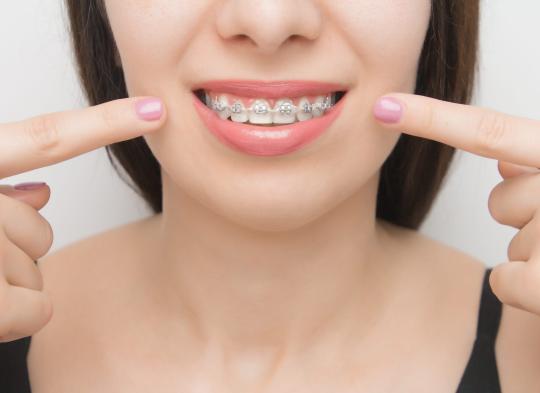
This is a classic and highly effective method involving brackets bonded to the teeth and connected with an orthodontic arch wire. In modern systems such as self-ligating braces, friction is minimised, which often shortens treatment time and reduces discomfort. For patients seeking a more discreet appearance, aesthetic brackets (ceramic or sapphire) are available, blending with the natural colour of the teeth.
Aligners
This is currently the fastest-growing branch of orthodontics. Treatment involves wearing a series of transparent, removable trays that gradually move the teeth into their desired positions. Aligners are almost invisible, allow excellent oral hygiene (they can be removed for brushing), and do not require dietary restrictions.
Digital treatment planning
Regardless of the appliance used, 3D diagnostics now form the basis of modern orthodontics. Instead of traditional impressions, we perform intraoral scanning, allowing us to create a digital model of the teeth and visualise the final result before treatment even begins.
It is important to remember that the end of the active treatment phase does not mark the end of the process. A crucial stage is retention - the stabilisation phase. With the help of retainers (fixed or removable), the teeth “remember” their new positions within the remodelled bone tissue, ensuring long-lasting results and a beautiful smile for years to come.
Why choose orthodontic treatment at our London clinic?
At our Polish clinic in London, we combine many years of experience with modern diagnostic technology. We offer a comprehensive approach, from full on-site imaging diagnostics (X-rays and cephalometric analysis) to individually tailored treatment plans for both children and adults. We also provide complete care in Polish and English, ensuring precise communication and comfort at every stage of teeth straightening treatment.