Hormones regulate how the entire body works by affecting specific organs and tissues. They provide balance responsible for well-being, appearance, and the health. Assessing hormonal balance through blood tests makes it possible to identify changes responsible for many disorders, enabling appropriate treatment of endocrine diseases.
It is well known how important preventive blood tests are for maintaining good health and for the early detection of any abnormalities.
Hormonal profile vs basic blood tests - what is the difference?
Thanks to information provided by tests such as full blood count, blood glucose, liver function tests, or lipid profile, we can assess body’s general condition. As explained by a Polish endocrinologist in the UK, correct interpretation of laboratory test results allows identification of the causes of concerning symptoms resulting from:
- infections and inflammatory conditions
- allergies, immune disorders, and autoimmune diseases
- blood diseases, including leukaemia
- anaemia and nutritional deficiencies (e.g. low folic acid or vitamin B12 levels)
- impaired function of internal organs such as the liver, pancreas, or kidneys
Assessment of blood cell composition and tests measuring glucose, cholesterol, or creatinine levels provide an overall picture of what is happening in the body. Parameters such as ESR (erythrocyte sedimentation rate) or CRP (C-reactive protein) help detect inflammation and assess the effectiveness of ongoing treatment.
In summary, blood tests are used to diagnose and monitor health status. A hormonal profile allows for a detailed assessment of hormone levels.
What is a hormonal profile?
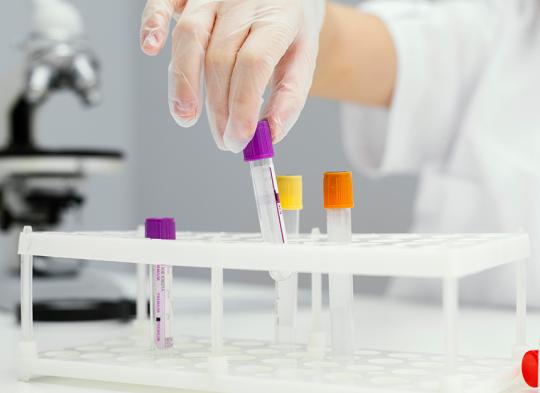
Hormonal testing package consists of tests that help confirm or rule out endocrine disorders. These are laboratory tests which, like other blood tests, analyse a blood sample taken from the patient. However, they do not assess blood composition but rather the concentrations of specific hormones. The results answer the question: How can I check if I have hormonal disorders?
Before moving on to a detailed description of hormonal profiles for women and men, it is worth explaining definition of hormones, what role they play in the body, and how hormonal problems manifest themselves.
Definition of hormones and why are they important?
Hormones are bioregulators that have a profound impact on our lives. Properly functioning endocrine system is responsible for homeostasis, a balance within the body. Hormones significantly affect appearance, physical condition, and overall well-being. By stimulating or slowing down specific organs, they regulate their activity. They coordinate physiological processes in the body from growth and metabolism to the control of reproductive functions.
The structures that make up the endocrine (hormonal) system include: hypothalamus, pituitary gland, thyroid gland, parathyroid glands, adrenal glands, thymus, pancreatic islets (Islets of Langerhans), cells of the digestive system, and the gonads (ovaries or testes). All these components are closely linked to the central nervous system, and hormone secretion is regulated through feedback mechanisms. This means that the glands influence one another via the hormones they secrete. For this reason, performing a full hormonal profile provides a more comprehensive insight into changes occurring in the body than testing individual hormones alone.
Hormonal problems – symptoms that should raise concern
Because the endocrine system affects every aspect of normal bodily function, symptoms of hormonal disorders can take many different forms. Hormonal imbalance (either reduced or excessive hormone secretion) leads to health problems that affect both physical and mental well-being:
- menstrual disorders and infertility in women
- erectile problems and infertility in men
- decreased libido (lack of sexual drive)
- mood swings (including increased nervousness and irritability)
- recurrent anxiety and depressive states
- chronic fatigue and apathy
- skin problems such as seborrhoea, acne, rapidly greasing hair
- excessively dry, rough skin and hair loss
- excessive body hair in women (hirsutism)
- sudden, unexplained weight gain
Causes of hormonal disorders
Endocrine system is extremely sensitive, and hormone levels change depending on age, time of day, and activity level. In women, hormone fluctuations depend on the phase of the menstrual cycle; changes related to puberty, pregnancy, breastfeeding, and menopause are also natural. However, there are situations in which excessive or insufficient hormone secretion is not the result of normal physiological processes and requires detailed diagnosis. In such cases, endocrinologist will order a hormonal profile.
Causes of endocrine problems include genetic factors, an unhealthy lifestyle, and long-term medication use. Hormone testing is also very often used to diagnose more serious conditions such as endocrine, cancer-related, or autoimmune diseases.
The main hormone-related conditions affecting women include:
- Polycystic ovary syndrome (PCOS) – due to disrupted proportions between follicle-stimulating hormone (FSH) and luteinising hormone (LH), menstrual cycle disturbances or even complete absence of periods may occur. PCOS is also associated with excessive production of male sex hormones in women.
- Hypothyroidism and hyperthyroidism – thyroid gland produces thyroxine (T4), triiodothyronine (T3), and calcitonin. Its activity is regulated by thyroid-stimulating hormone (TSH) released by the hypothalamus. Calcium–phosphate balance, reproductive function, and even cardiovascular and nervous system function all depend on the thyroid. Any deviation from normal hormone levels can therefore cause numerous unpleasant symptoms. Thyroid diseases affect both women and men, but in women they are closely linked to reproductive health and may lead to fertility problems.
- Hashimoto’s disease (chronic lymphocytic thyroiditis) – an autoimmune disease in which immune cells attack and destroy the thyroid gland, preventing it from functioning properly. Hashimoto’s disease generally leads to progressive hypothyroidism and is often accompanied by other coexisting conditions.
- Cushing’s disease – a group of symptoms caused by excess steroid hormones, characterised by elevated cortisol levels due to hyperactivity of the anterior pituitary gland. It may lead to serious complications such as diabetes or hypertension. Cushing’s syndrome can also develop as a side effect of long-term steroid therapy.
Female hormonal profile and male hormonal package – blood tests
Hormonal testing options vary depending on the patient’s sex. There are also profiles focused specifically on the function of a single gland, the diagnosis of particular disorders, and a pregnancy profile designed for expectant mothers.
This allows doctors at the Polish Clinic in the UK to select tests tailored precisely to the individual needs of each patient.
Hormones in women – when should LH and FSH be tested?
Women are particularly prone to hormonal disorders and the symptoms they cause, explains Polish endocrinologist in the UK. Hormonal imbalance can contribute to infertility, so no symptoms should be ignored. Disorders of female sex hormone secretion may result from dysfunction of the hypothalamus or pituitary gland (low LH and FSH levels) or from structural or functional ovarian disorders, in which case elevated LH and FSH levels are observed.
FSH and LH reference ranges vary depending on the phase of the menstrual cycle. Testing should therefore be performed:
- during the follicular phase: between days 3 and 5 of the cycle
- during ovulation: between days 12 and 14 of the cycle
- during the luteal phase: on day 21 of the cycle
Hormonal profile for women – which hormones are tested?
A female hormonal profile includes testing the following hormones:
Oestradiol (E2)
Its level helps assess ovarian function. It also affects bone structure, skin, and hair. Oestradiol levels vary with the menstrual cycle and are elevated during ovulation and pregnancy. If neither applies, high levels may indicate ovarian hyperstimulation or tumours of the ovaries or adrenal glands.
Prolactin (LTH)
It is responsible for initiating lactation. In women who are not pregnant or breastfeeding, elevated prolactin levels can cause irregular periods, reduced libido, and vaginal dryness.
Luteinising hormone (LH)
It stimulates ovulation, development of the corpus luteum, and progesterone synthesis; in short, it stimulates the ovaries to produce hormones. Abnormal levels may indicate fertility problems.
Follicle-stimulating hormone (FSH)
Its levels depend on the day of the cycle on which the test is performed and should always be analysed in relation to LH levels. FSH regulates oestrogen production; abnormal levels may indicate ovarian failure.
Progesterone (lutein)
It regulates the menstrual cycle. Abnormal production is often associated with serious conditions such as PCOS, cysts and tumours, miscarriages, or ectopic pregnancy. The best time to test progesterone levels is during the second half of the ovulatory cycle—ideally on day 21.
Hormonal profile for men – what does it include?
Hormonal disorders are most often discussed in the context of menstrual disorders and infertility in women. However, there are several serious symptoms that warrant hormonal testing in men. These include:
- precocious puberty
- lack of facial hair, voice breaking, or pubic hair
- underdevelopment of external genitalia (absence of testes in the scrotum)
- gynaecomastia (breast enlargement in men)
- sudden loss of muscle mass
- weight gain with fat distribution typical of women
- mood swings (irritability, nervousness, depressive and anxiety states)
- reduced libido
- erectile dysfunction and impotence
- fertility disorders
- unilateral scrotal enlargement
A male hormonal profile includes: FSH, LH, testosterone, free androgen index, prolactin, and SHBG. These tests help identify hormonal disorders associated with infertility and andropause.
Hormonal tests – how to prepare?
Patients under the care of a Polish doctor in the UK often ask how hormonal tests are performed. As mentioned earlier, hormonal profiles for women and men are blood tests and should therefore be fasting tests.
When testing female sex hormones, it is also important to perform the tests on the appropriate day of the ovulatory cycle. If determining the exact phase of the cycle is difficult due to menstrual irregularities or suspected onset of menopause, consultation with Polish gynaecologist in the UK is recommended.
How much does a hormonal profile cost?
Price of basic sex hormone testing depends on the type of package selected. Additionally, based on individual needs, patients may be referred for extended hormonal testing. Full details can be found on the Poland Medical price list.