When it comes to healthy hearing, a Polish ENT specialist in the UK can offer expert support. Read our article to learn how to properly look after your ears and what you can do to enjoy excellent hearing for as long as possible!
Hearing is one of the most important and at the same time one of the most sensitive human senses. The ability to perceive sound plays a crucial role in many aspects of daily life. It enables communication, ensures safety, and brings the profound pleasure we experience when listening to music. Yet hearing problems are very often underestimated. Hearing care is particularly important for people living in large cities, where noise surrounds us at every turn – explains a Polish ENT surgeon in Coventry.
How to Avoid Hearing Problems – Advice from a Polish ENT Surgeon in the UK
What can you do to enjoy good hearing for as long as possible? Which factors contribute to hearing deterioration?
Since this article focuses on ear hygiene and prevention, we will discuss practical ways to protect your hearing from damage caused by improper cleaning and environmental exposure.
The simplest way to avoid hearing problems is to limit harmful conditions, or – if avoidance is impossible – to protect your ears properly. Here are five proven tips from a Polish doctor in the UK:
- Protect your ears from wind and cold – in bad weather (especially winter), always cover your ears. A hat, hood, or earmuffs protect against inflammation.
- Maintain proper ear hygiene – more on this further below.
- Avoid noise and rest in silence whenever possible. If you are exposed to loud environments (above 85 dB), use appropriate hearing protection.
- Do not avoid your doctor! Attend routine check-ups with a Polish ENT specialist in the UK and follow medical recommendations if you develop an infection. Avoid treating yourself “at home”.
- Stop using earphones.
Protecting Your Ears from Wind and Cold
Strong wind and low temperatures cool the outer ear quickly. Prolonged exposure to cold may lead to painful frostbite or inflammation of the external ear canal. In severe cases, even cartilage damage can occur. The following tips help protect your ears during colder months:
Choose headwear that covers the entire ear
A hat with a lowered edge or a fleece headband creates a barrier against cold air while allowing moisture to escape. Avoid products that are too tight, as they may impair blood circulation and increase the feeling of cold.
Use earmuffs or thermal inserts
For physically active people – runners, cyclists, skiers – lightweight, insulating earmuffs or neoprene inserts are practical solutions. They reduce cold wind penetration without limiting environmental awareness.
Keep the skin of the ears moisturised
Wind and frost dry the skin, increasing the risk of cracks and irritation. A gentle, fragrance-free protective cream applied before going outside forms an additional layer preventing water loss.
Dry your ears after exposure to moisture
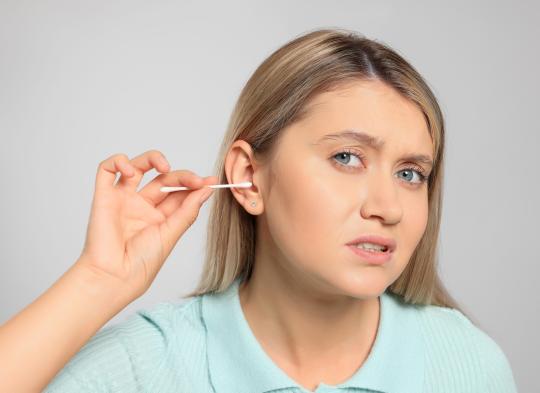
Snow, rain, or sweat intensify the sensation of cold. After returning indoors, gently dry the outer part of the ear with a soft towel. Do not use cotton buds – they can damage the skin or push wax deeper.
React to early signs of discomfort
Burning, numbness, or pain indicate overcooling. Warm the ears gradually by covering them with warm, dry fabric or using your hands. Avoid heat sources, which may cause further skin damage.
Proper Ear Hygiene
Daily ear care is not just about cleaning. It is a set of habits that keep the ear canal healthy and help prevent infections.
Keep the ears dry
Moisture promotes bacterial and fungal growth. After bathing, swimming, or intense exercise, gently dry the ears. If water enters deeper, tilt your head and allow it to flow out naturally – do not insert anything into the ear canal.
Avoid irritating cosmetics and chemicals
Hairspray, aerosol deodorants, and harsh cleaning products may irritate the skin of the ear or ear canal. Apply cosmetics at a distance or shield the ear with your hand.
Be cautious when using earplugs and earphones
If you use earplugs (e.g., for sleeping) or earphones, clean them regularly according to the manufacturer’s instructions. Moisture and dirt accumulating on their surfaces may cause infections.
Watch your skin’s reactions
Itching, redness, or small cracks signal a disturbed skin barrier. Use a mild, fragrance-free moisturiser or emollient to restore elasticity and reduce microinjuries.
Pay attention to concerning symptoms
Persistent blockage, pain, discharge, or tinnitus require an ENT consultation. Early intervention prevents complications.
Avoid Noise at All Costs
Excessive noise is one of the main causes of progressive hearing loss, and its effects accumulate over many years, often without noticeable symptoms until the damage becomes irreversible.
A simple rule applies: if you need to raise your voice to talk to someone standing one metre away, the noise level is likely above 85 dB. Such levels occur at concerts, around power tools, in heavy traffic, or with loud headphones.
To protect your hearing:
- Keep the volume of audio devices below 60% of the maximum and take a 60-minute break after every hour of continuous listening. This habit significantly reduces the risk of overloading the organ of Corti.
- Use noise-reducing earplugs or noise-cancelling headphones when working with loud equipment or attending concerts. “Musician’s earplugs” reduce decibels while keeping sound clear.
Don’t Skip ENT Check-ups
Regular hearing tests and assessment of the ear canal are essential for early detection of inflammatory changes, hearing loss, or chronic conditions. Even without symptoms, routine check-ups can give a baseline for future comparison.
Most people should have their hearing checked every 2–3 years. Those exposed to noise, water sports enthusiasts, allergy sufferers, and patients after ear infections should schedule visits once a year.
During the appointment, the ENT specialist may perform:
- pure-tone and impedance audiometry
- evaluation of Eustachian tube function
- examination of the ear canal
- nasal and throat endoscopy
Comprehensive diagnostics help detect issues invisible to the naked eye.
Do not ignore symptoms. Persistent ear blockage, tinnitus, pain when swallowing, or dizziness require urgent consultation. Early treatment prevents complications.
ENT specialist will also help plan an individual prevention strategy – from ear hygiene advice, through vaccination recommendations (e.g., pneumococcal), to dietary tips supporting microcirculation in the cochlea.
Avoid Earphones
Although convenient and discreet, earphones contribute to hearing damage and ear canal irritation. The sound source sits very close to the eardrum, meaning acoustic waves directly affect the cochlear hair cells. The louder the sound, the faster microdamage accumulates, eventually leading to permanent hearing loss.
In-ear headphones also block ventilation, trapping moisture and heat – ideal conditions for bacterial and fungal infections. During physical activity, sweat and debris further increase the risk of glue ear.
Switching to over-ear headphones (preferably with active noise reduction) allows for lower listening volumes while keeping the speaker at a safer distance from the eardrum. Even then, limit listening time and take breaks to allow the auditory system to recover.
When Should You Seek an ENT Appointment in Coventry?
Hearing loss affects increasingly younger patients, notes a Polish ENT specialist in the UK. Environmental conditions, improper ear cleaning, and untreated ear infections contribute to this trend.
You should schedule an ENT appointment if you:
- often struggle to understand speech
- need others to repeat themselves (not due to language barrier)
- find phone conversations stressful or frustrating
- feel others speak too quietly, mumble, or sound unclear
- need to set the TV or music volume much higher than others
- have difficulty communicating in noisy places (restaurants, shopping centres)
All the above may indicate hearing loss. A hearing test will determine whether the issue is temporary or requires long-term support such as hearing aids. In many cases, symptoms result simply from earwax buildup – which requires professional removal.
Other concerning symptoms include:
- balance problems
- ear pain, itching, or swelling
- sleep disturbances
- flu-like symptoms accompanying ear issues
- persistent tinnitus or hearing reduction
Proper ear hygiene and timely medical help are key to protecting your hearing. Routine check-ups, infection treatment, and safe wax removal at a Polish ENT clinic in the UK all play a crucial role in maintaining healthy hearing.