Formation of stones is caused by disturbances in bile production—due to various underlying factors—and by bile stasis.
Factors that promote stone formation include:
- Genetic predisposition
- Female sex
- Older age
- Obesity
- Diabetes
- Fluctuations in body weight
- Cystic fibrosis
- Use of certain medications, such as estrogen-containing drugs or fibrates, which lower triglyceride levels in the blood
Most gallstones are composed of cholesterol.
In about two-thirds of patients, gallstone disease progresses asymptomatically—often discovered during incidental ultrasound examinations.
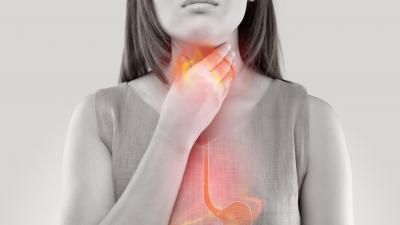
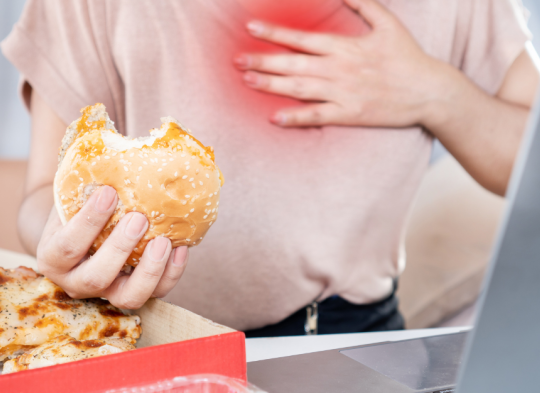
In the remaining one-third, severe pain episodes occur, known as biliary colic, or milder symptoms such as a feeling of fullness under the right ribs, bloating, acid reflux, usually after consuming heavy, fatty meals.
Biliary colic is often accompanied by general symptoms such as fever, chills, nausea, and vomiting.
If the colic lasts longer than 6 hours, urgent diagnostic evaluation is necessary, as this may indicate complications of the disease.
Diagnostic tests include ultrasound examination, abdominal X-ray, and laboratory tests.
Blood enzyme tests typically include liver function tests: ALT, AST, alkaline phosphatase, and pancreatic enzymes like amylase and lipase.
Bilirubin levels may also be elevated.
Treatment of biliary colic involves pain-relieving and spasmolytic medications.
In cases with numerous small cholesterol stones, long-term pharmacological treatment can be used to dissolve the stones and reduce cholesterol secretion into bile.
This treatment is prolonged—at least 9 months—and carries the risk of disease recurrence despite initial positive therapeutic effects.
Symptomatic gallstone disease is an indication for surgical intervention.
In about 85% of cases, laparoscopic cholecystectomy is performed—less invasive and allowing for a quick recovery and return to normal activity.
Long-standing gallstones can lead to chronic cholecystitis, causing the gallbladder to deform and its walls thicken due to irritation from stones.
This condition often results in recurrent acute pancreatitis, gallbladder stones, and inflammation of the bile ducts.
Acute cholecystitis is a serious disease that can lead to severe complications, requiring surgical treatment as an absolute necessity.
All content on this website is the intellectual property of Poland Medical Clinic. Copying, reproduction, or dissemination in whole or in part, in any form or manner without the administrator’s permission, is prohibited; any unauthorized use will be considered a violation of copyright laws.